
Speaker series — visiting authors, journalists, thinkers in conversation.
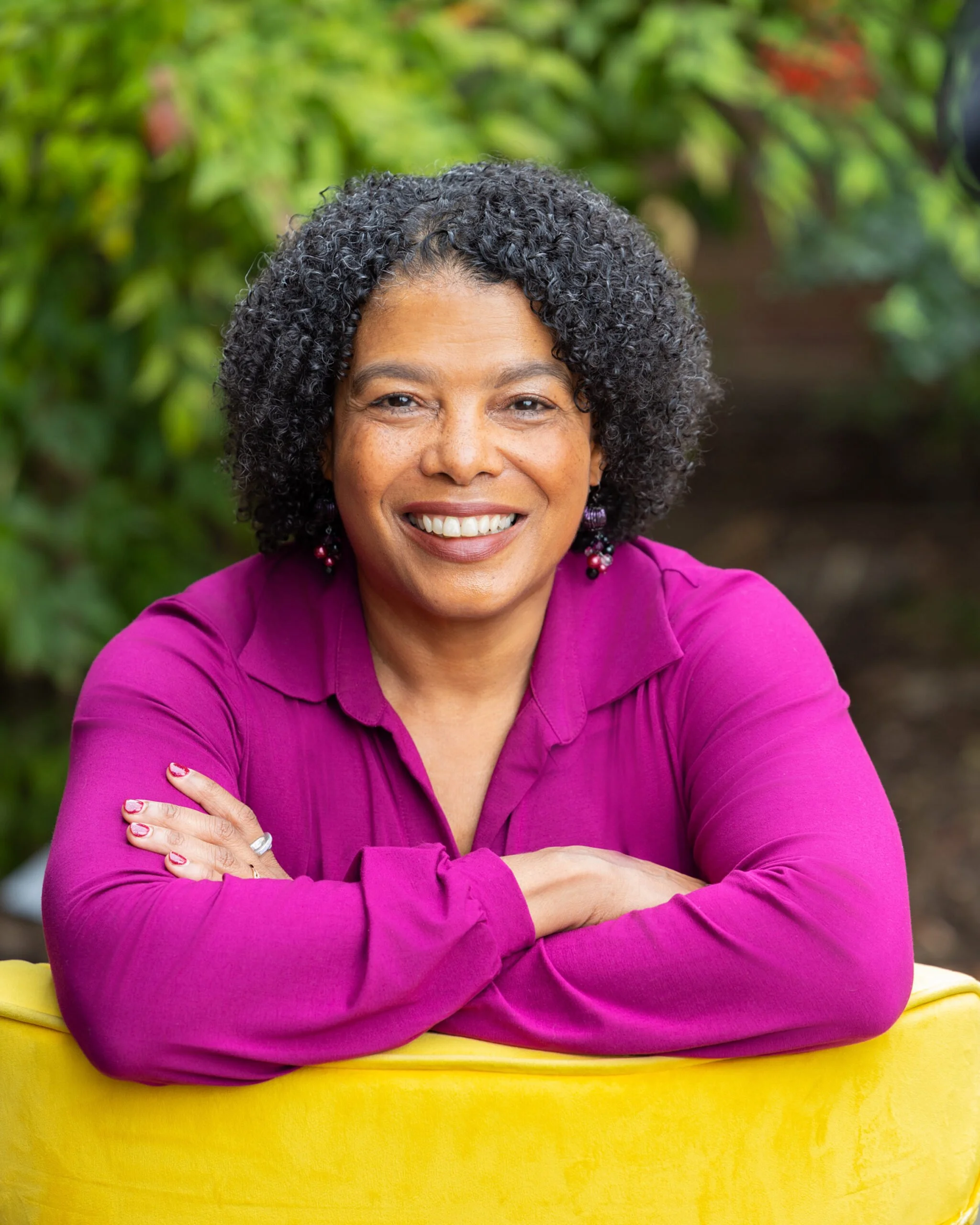
Terri Givens: How Worried Should We Be About the U.S. Midterms?
TICKETS AVAILABLE HERE As Canadians, we’re used to ‘sleeping with an elephant’—as Pierre Trudeau quipped in 1969. ‘No matter how friendly and even-tempered is the beast... one is affected by every twitch and grunt’. Sadly, Canadian-US relations have not been ‘friendly and even-tempered’ in the past two years and now the U.S. mid-term elections are upon us. On November 3, all 435 districts in the U.S. House of Representatives and 33 seats in the U.S. Senate are up for election. Republicans currently control both chambers of Congress, holding a 53–45 majority in the Senate and a 218-212 majority in the House. There’s a lot at stake for President Donald Trump and the results could also have significant effects in Canada. A shift in control of Congress could help curtail presidential executive powers and reshape trade relations. But will the 2026 elections be free and fair? According to The Atlantic , the 2026 mid-term elections face severe threats. Analysts warn that Trump and his allies are laying the groundwork to subvert the vote, using tactics like extreme gerrymandering and voter roll challenges, and attempting to influence election administration and vote certification. How worr
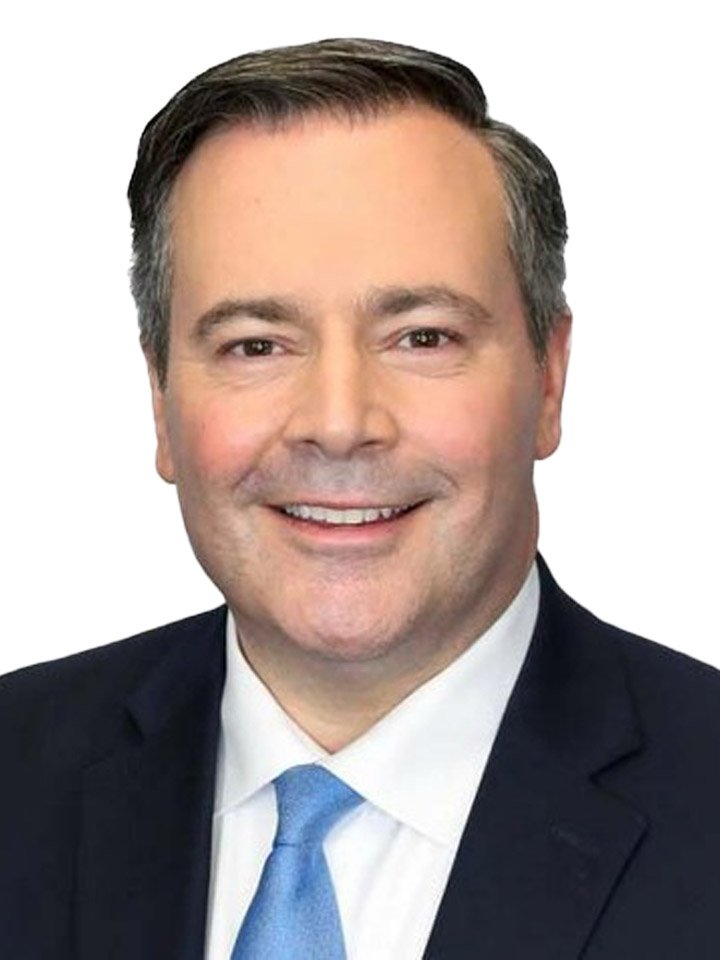
Jason Kenney: Can Canada Hold Together?
TICETS AVAILABLE SOON Canada has always been a country of competing identities, regional priorities, and political differences. But today, these tensions feel stronger than before. From debates over energy and climate policy to renewed threats of Quebec and Alberta separatism, many Canadians are asking a difficult question: What holds us together—and what could pull us apart? Few people have been closer to these debates than Jason Kenney. A former Premier of Alberta and federal cabinet minister with portfolios over immigration, employment, and defence, Kenney has spent more than 25 years at the centre of Canadian politics. He has shaped national immigration policy, negotiated intergovernmental relationships, and led Canada’s most resource-dependent province through periods of profound economic and political change. Jason Kenney has the perspective and intellect to help us understand the forces driving Western alienation, the relationship between Ottawa and the provinces, the future of Canada’s energy sector, and whether the country can hold together in the face of growing political polarization. Some Salt Spring Islanders will disagree with Jason Kenney’s politics. But agree with h
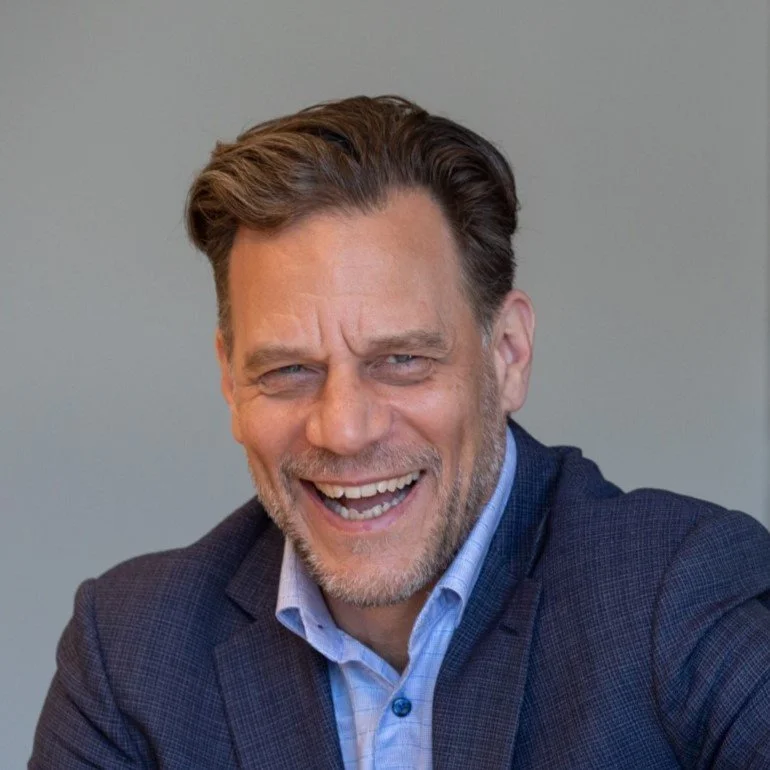
Coalter Lathrop: Who Owns the Ocean? Deep-Sea Mining and the Future of International Law
TICKETS AVAILABLE SOON The deepest reaches of our oceans are among the least explored places on Earth. Yet they have become the location of an international race for minerals essential to artificial intelligence and renewable energy technologies. As governments and corporations push to mine the deep seabed, a fundamental question has emerged: Who will determine the fate of the world’s oceans? For Coalter Lathrop, that question is not just about the oceans—it’s about the future of the international order itself. A world-leading international lawyer and marine cartographer, Lathrop advises governments and international organizations on the world’s most complex ocean and territorial disputes. He appears frequently as counsel before the International Court of Justice and the International Tribunal for the Law of the Sea. As Lathrop explains in a recent on-line essay, The Unmaking of International Law, longstanding legal institutions are facing a fundamental challenge from US President Donald Trump and “The Metals Company”—a Vancouver-based mining venture. Trump and The Metals Company aim to destroy the UN Convention on the Law of the Sea – which has been ratified by 171 countries, incl